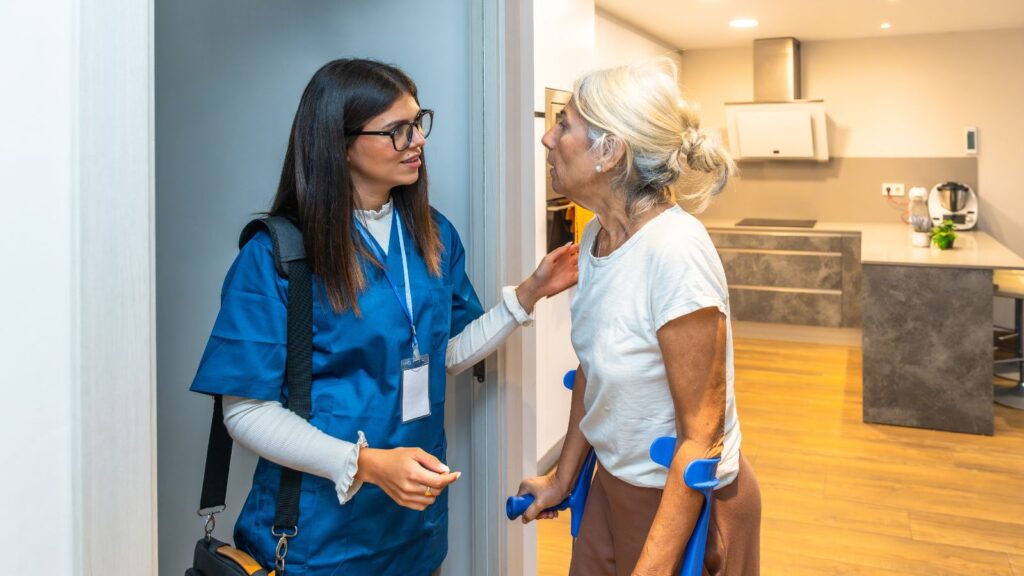
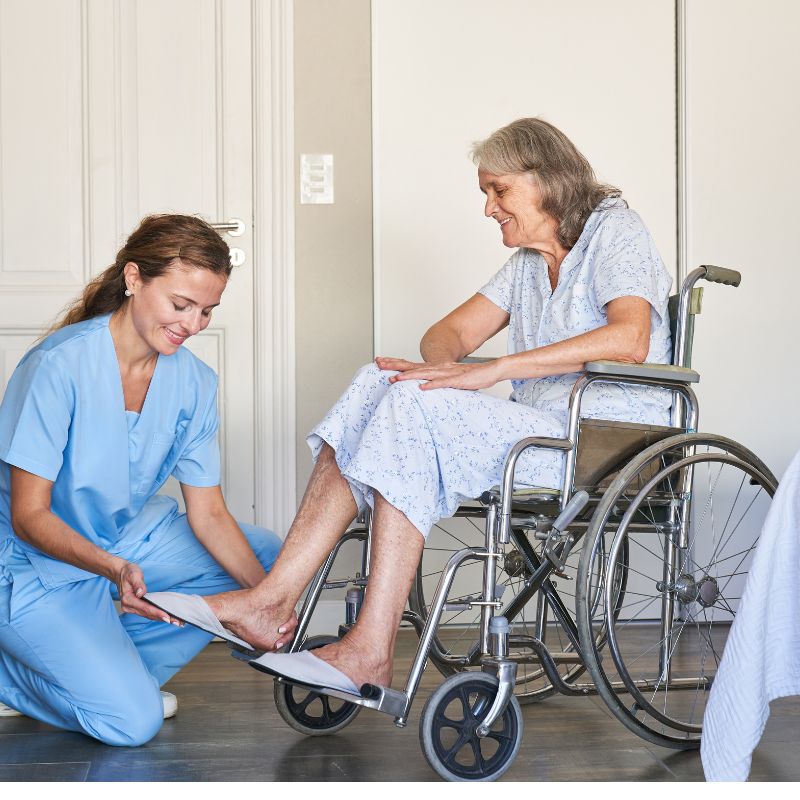
High Intensity Daily Support is for people who need specialised and complex support every day. This service is designed for participants with high or complex needs who require trained and experienced support workers to assist them safely at home or in their accommodation.
Support is delivered in a safe, careful, and respectful way, following professional guidelines, clinical instructions, and your individual support plan. Our workers understand the importance of consistency, attention to detail, and clear communication when providing high-intensity support.
We work closely with you, your family, carers, and health professionals to ensure your support is delivered correctly and in line with approved plans. This may include assistance with complex personal care, mobility support, health-related routines, and monitoring wellbeing throughout the day.
All support is tailored to your needs, preferences, and NDIS goals. You remain in control of your supports, with care provided in a person-centred and dignified manner. Our focus is on helping you stay safe, comfortable, and supported, while promoting stability, confidence, and quality of life in your everyday routine.

Support with bowel routines that require specific training, such as: Use of suppositories or enemas Digital stimulation (only if authorised) Managing bowel programs outlined by a health professional Monitoring bowel health and reporting concerns
Support related to urinary needs, including: • Assisting with catheter care (not insertion) • Emptying and monitoring catheter bags • Supporting hygiene and infection prevention • Following clinical instructions provided by health professionals
Support for participants with swallowing or feeding risks, such as: • Modified diets (pureed, thickened fluids, texture-modified food) • Assistance following a Speech Pathologist’s Mealtime Management Plan • Monitoring choking risks • Safe positioning during meals
Support that goes beyond simple reminders, including: • Assisting with medication as per a Medication Chart • Administering medication (oral, topical, inhaled, PEG where authorised) • Monitoring side effects and reporting concerns • Following strict medication procedures
Support for participants with breathing-related needs, such as: • Monitoring breathing and oxygen levels (where trained) • Supporting use of prescribed respiratory equipment • Recognising signs of distress and following escalation plans
Support for participants with epilepsy or seizure conditions, including: • Monitoring seizure activity • Following a Seizure Management Plan • Keeping the participant safe during a seizure • Recording and reporting seizures correctly
Support workers may assist with: • Observing and monitoring wounds • Supporting dressing routines as instructed • Reporting changes or concerns to health professionals (Clinical wound treatment must be done by health professionals.)
Support involving increased risk, such as: • Use of hoists or specialised equipment • Transfers requiring specific techniques • Following physiotherapy or occupational therapy instructions
When authorised and included in a Behaviour Support Plan: • Supporting participants with complex behaviours • Following Positive Behaviour Support Plans • Implementing approved restrictive practices only when required • Recording and reporting incidents correctly
You tell us what you need help with and what is important to you.
We work with you to organise the right support at the right time.
Your support worker begins helping you at home.
We check regularly to make sure the support is working well for you.
This support is for people who:
Have complex health or disability needs
Need specialised daily support
Require support that must be done in a specific and safe way
Need trained workers to follow professional instructions
Require consistent and reliable daily care
Support is always based on your individual needs and goals.
4.9 / 5.0 (Based on 46 reviews)