Speech Therapy helps you communicate better and more confidently in your everyday life. It supports people of all ages to develop the skills needed to express themselves, understand others, and connect socially in meaningful ways.
A speech therapist (also known as a speech pathologist) works with you to support talking, understanding language, listening, pronunciation, voice, fluency, and social communication. They also assist with eating, drinking, and swallowing difficulties, helping to improve safety and comfort during meals.
Speech therapy is not just about speaking clearly — it’s about helping you express your thoughts, needs, and feelings, whether through speech, gestures, communication devices, or alternative communication methods.
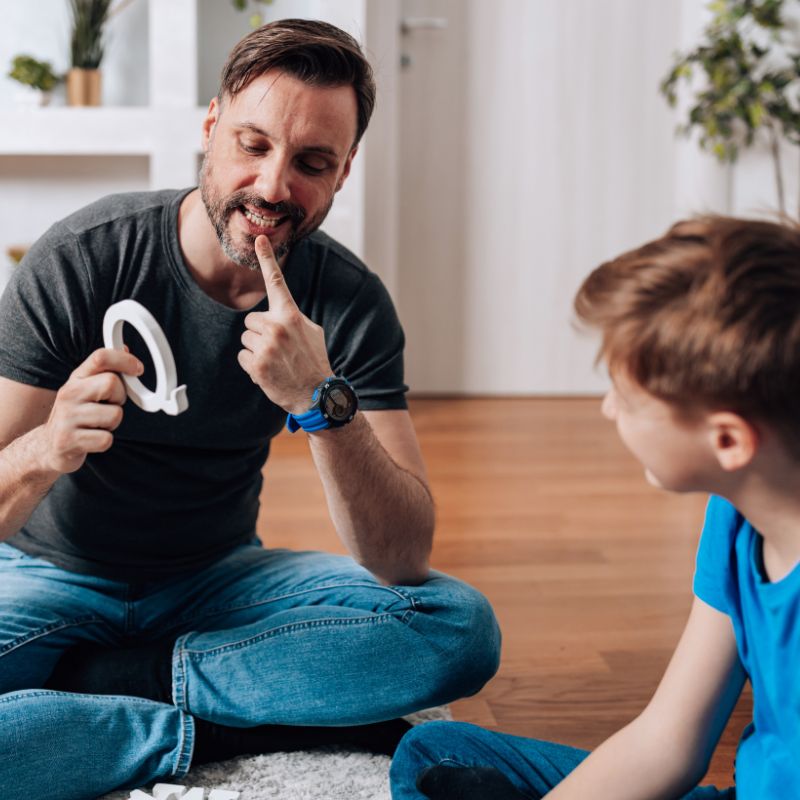
Support is personalised to your goals and may include activities to build language skills, improve clarity of speech, develop social interaction skills, or strengthen muscles used for speaking and swallowing. Therapy can take place at home, in the community, or in a familiar environment where you feel comfortable.
Speech therapy can support children, adults, and older people who experience communication challenges due to disability, developmental delay, neurological conditions, injury, or other health needs.
The goal of speech therapy is to help you communicate with confidence, build relationships, and participate more fully in daily life — in ways that work best for you.